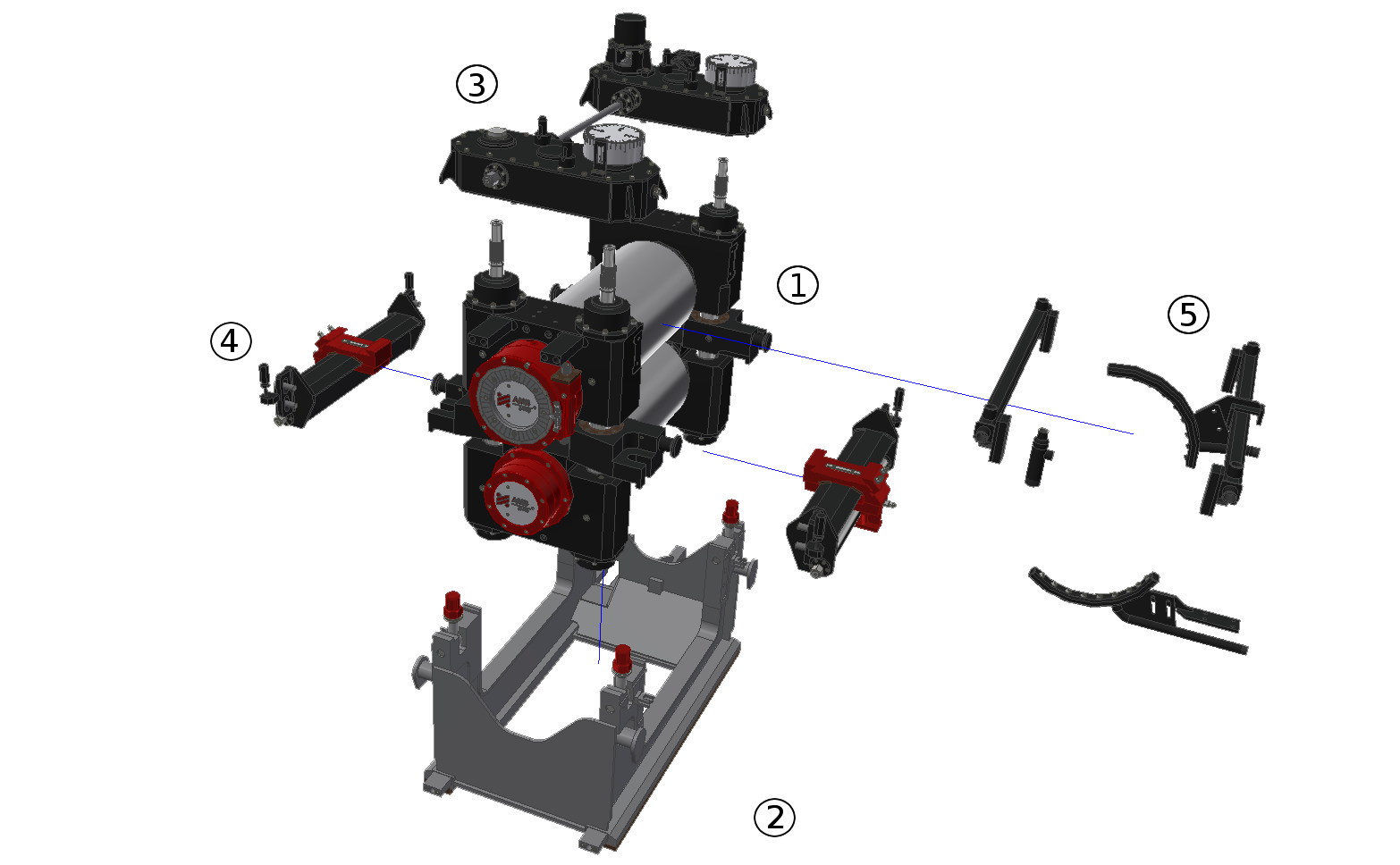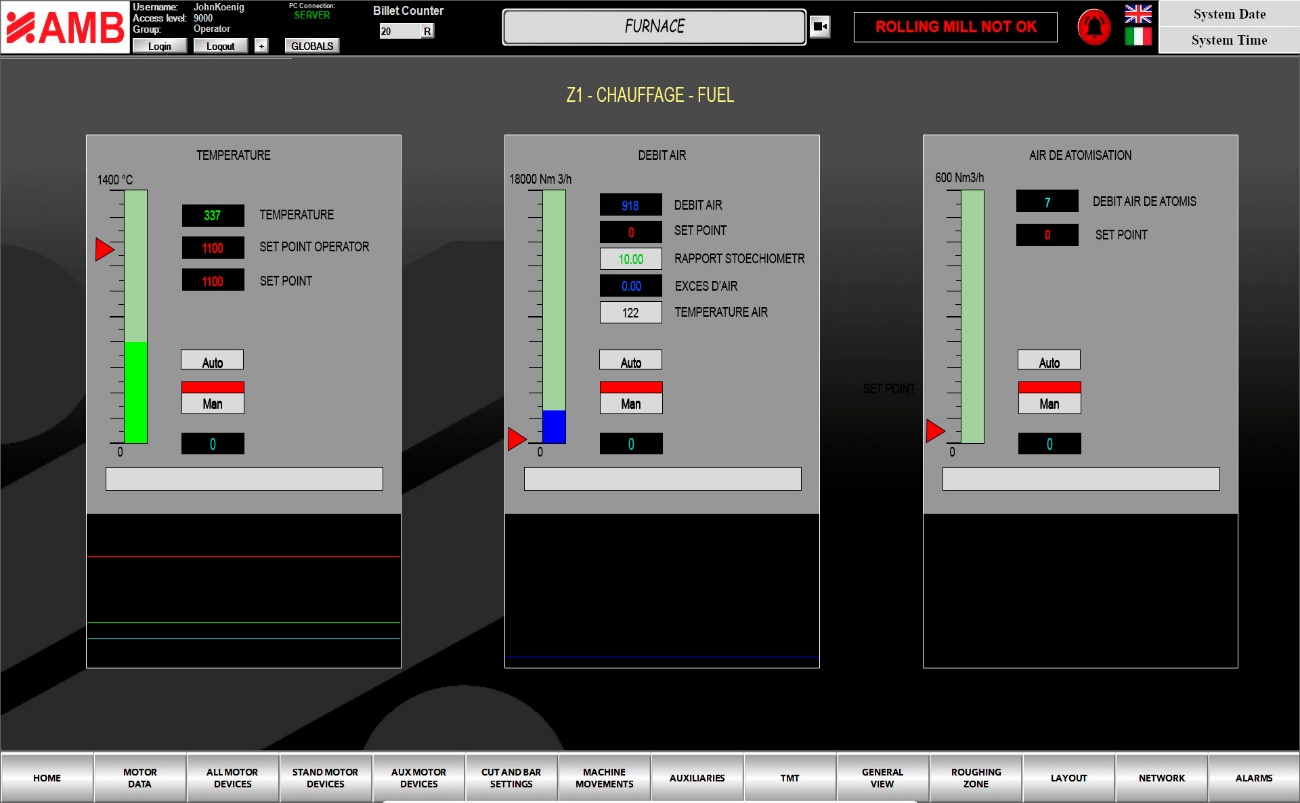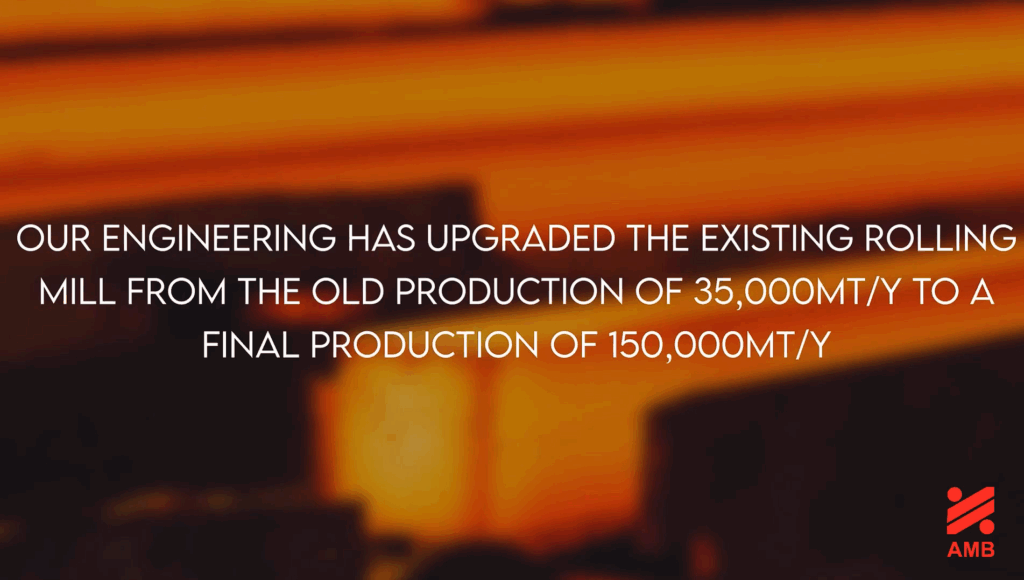
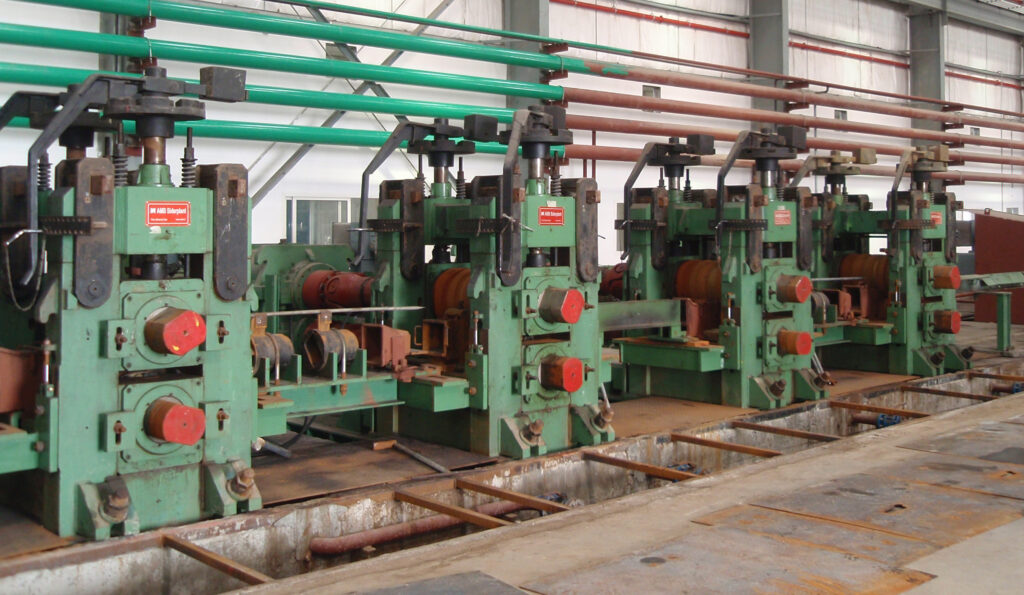
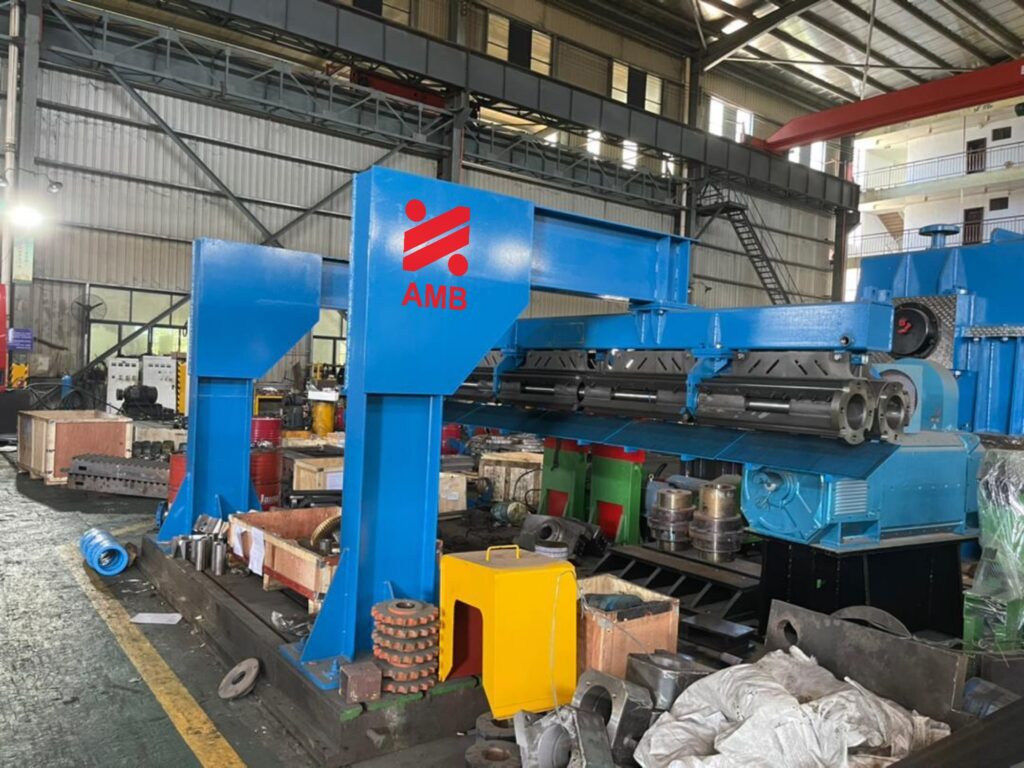
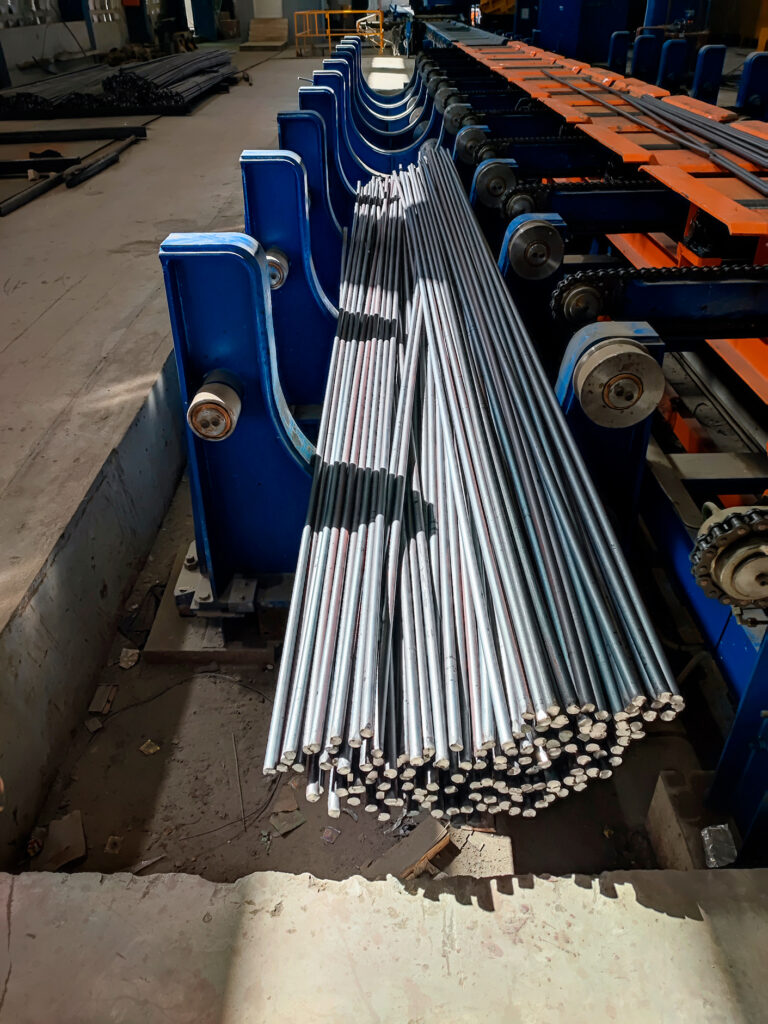
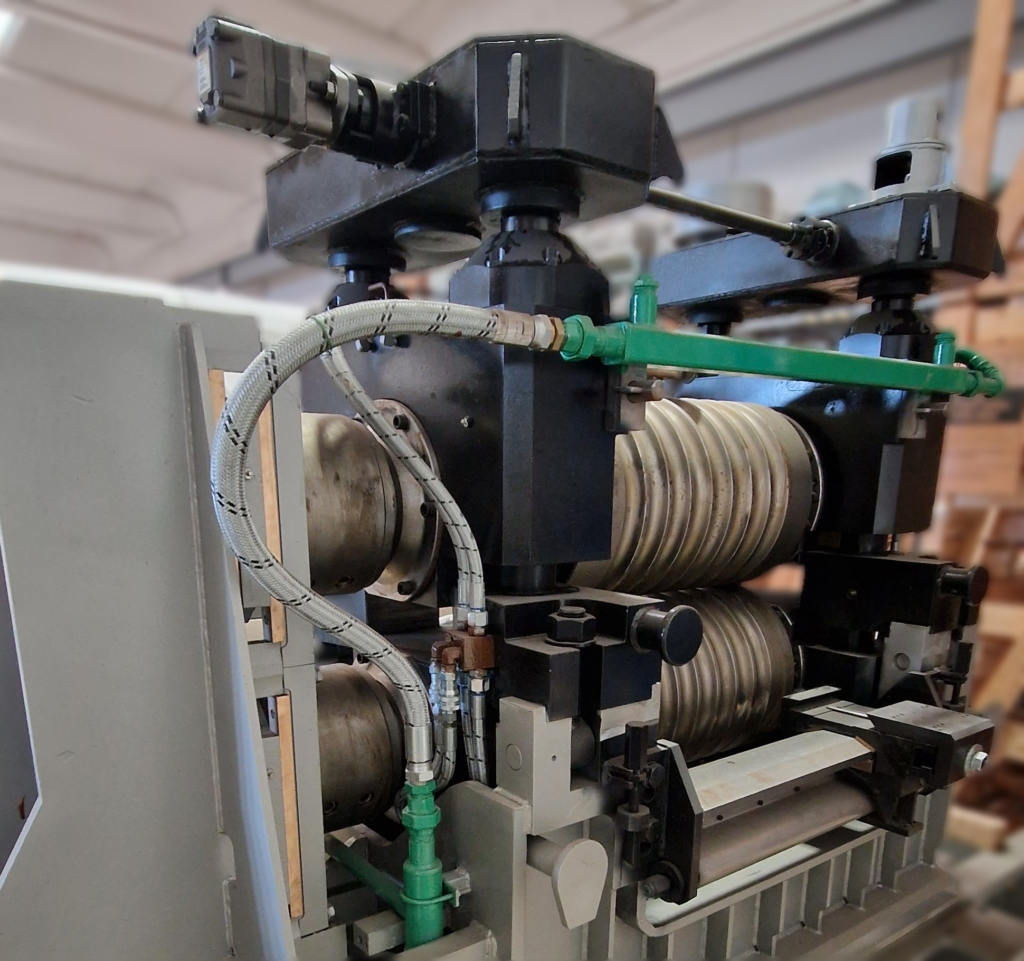

One of the main advantages of revamping is the significantly lower capital expenditure compared to installing a new rolling mill. By upgrading only critical components—such as stands, guides, automation, or cooling systems—producers can achieve meaningful performance improvements with a fraction of the investment.
In many cases, the return on investment is achieved in a relatively short time, thanks to reduced downtime, lower maintenance costs, and improved productivity.
Outdated or worn components often limit the achievable product quality. Revamping key areas of the rolling process can lead to:
Even without changing the full process layout, modernized components and updated engineering solutions can significantly enhance the consistency of the final product.
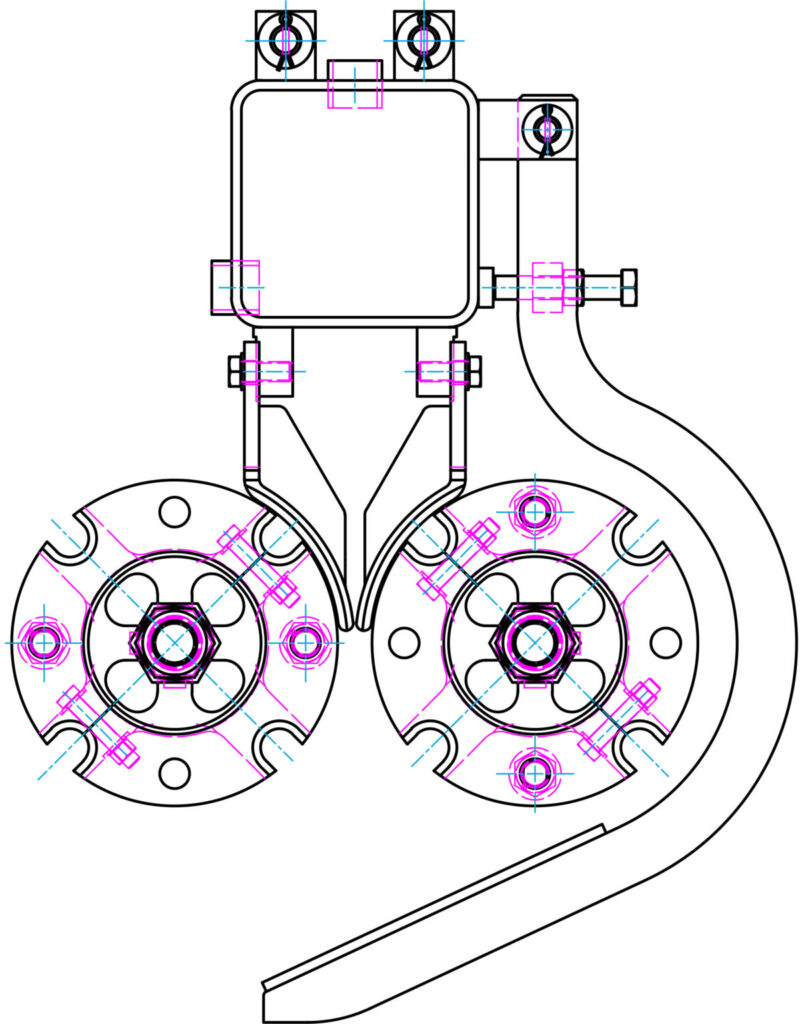
Aging rolling mills are more prone to unexpected failures, which can severely impact production planning and costs. Revamping allows critical components to be redesigned using modern materials, tighter tolerances, and improved mechanical solutions.
The result is higher operational reliability, fewer unplanned stoppages, and more predictable maintenance schedules.
Energy consumption is a major cost driver in rolling operations. Revamping projects often focus on reducing energy losses by:
These interventions can lead to measurable reductions in energy consumption per ton rolled, contributing both to cost savings and sustainability goals.
Unlike greenfield projects, revamping can usually be executed with limited production interruptions. Many upgrades can be planned during scheduled maintenance stops, minimizing the impact on ongoing operations.
This makes revamping particularly attractive for producers who cannot afford long shutdown periods.
well-designed revamping project does not only solve current issues but also prepares the rolling mill for future upgrades. Modular solutions and scalable automation allow producers to adapt gradually to new market requirements, product ranges, or capacity increases.
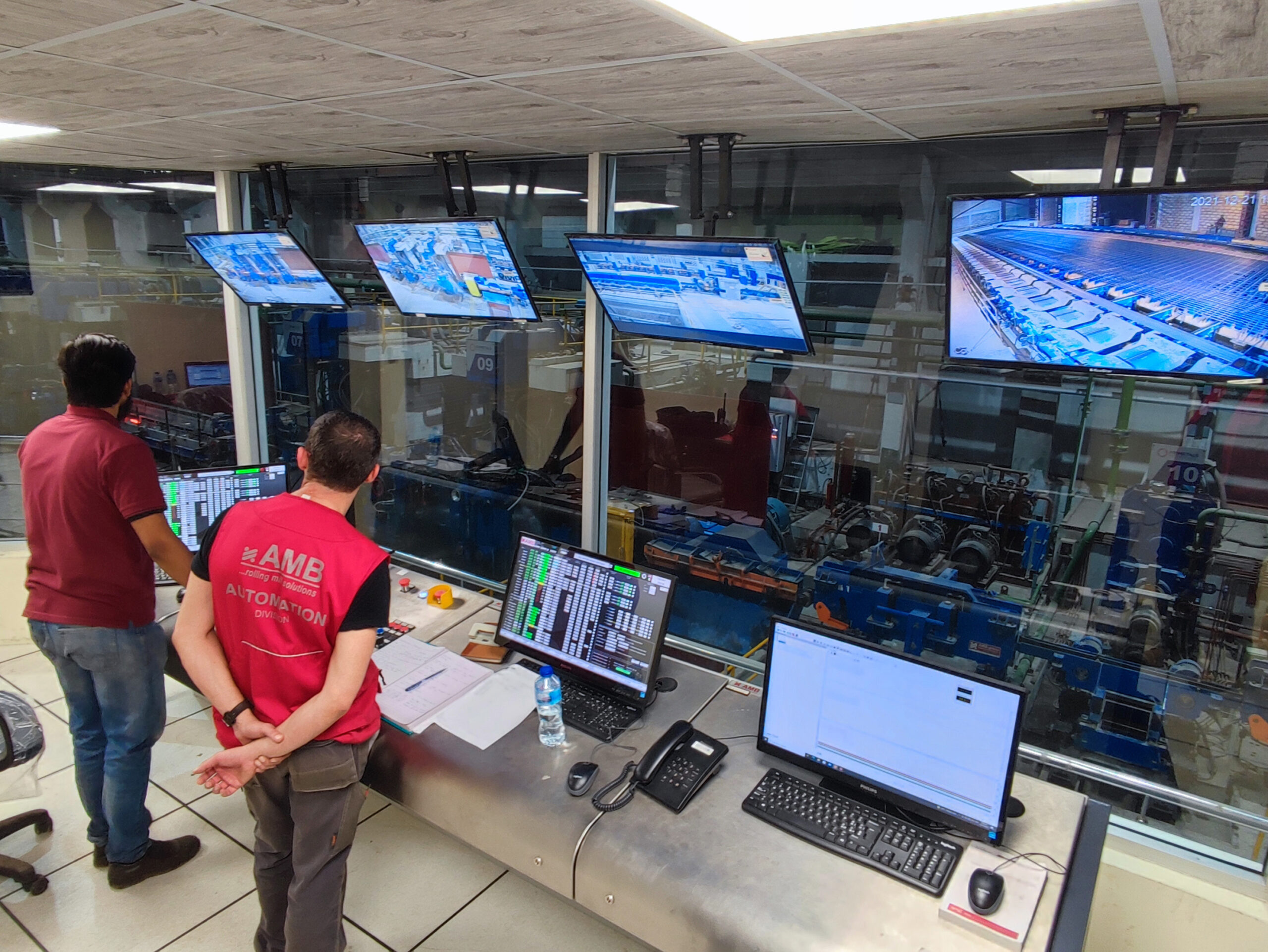
From initial planning and feasibility analysis, through detailed engineering and in-house manufacturing, AMB ensures that each solution is tailored to the existing mill and operational goals. This approach is complemented by operator training, aimed at maximizing the effectiveness of upgraded equipment, as well as installation and comprehensive after-sales support. By covering the entire lifecycle of the project, AMB helps producers minimize risks, optimize performance, and fully realize the long-term value of their revamping investment.
Choosing AMB means choosing a partner who accompanies you through every stage — with transparent timelines (12–24 months), flexible solutions, and long-term technical support.
Wherever steel is produced, AMB is there — helping shape the world’s most efficient and reliable rolling plants.
Written by: J. Arturo Tregambe